
Fibre
Socket


GOALS
Increase the conversion rate and encourage as many customers as possible to correctly enter their fibre socket number when purchasing an internet plan.


Context
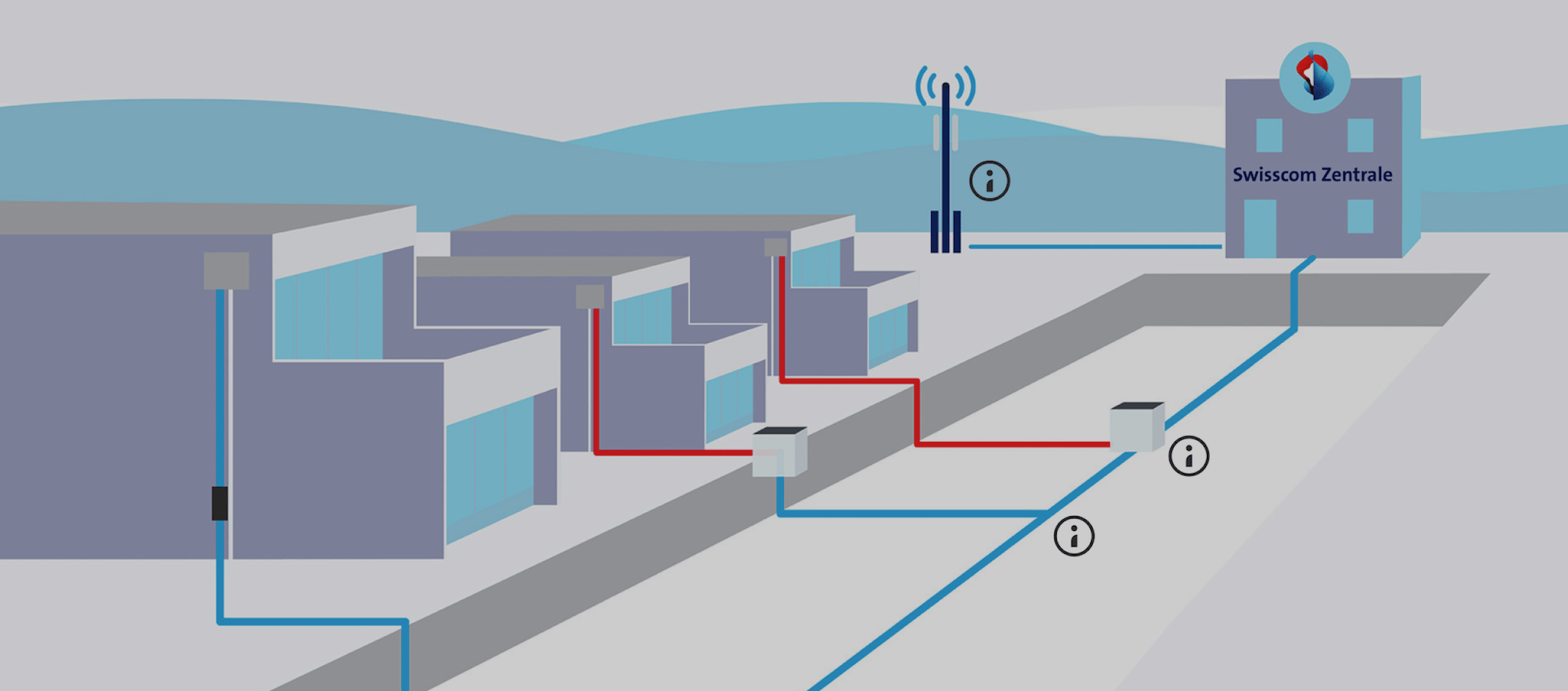
In the telco industry, providing internet access is a highly complex process: varying technologies and business rules make the user journey challenging. Despite systemic limitations, we achieved measurable improvements through targeted UI enhancements.


METHODS
- Prototyping (Axure & Figma)
- Usability Testing
- Data Analysis
- A/B Testing


Swisscom

UX/UI Designer
Learnings
- I learned that UI alone isn't enough – you need to think holistically about processes to create real impact.
- I learned that focused UX improvements can be highly effective – especially when they're user-centered and data-informed.
- I learned that well-placed visuals and clear help texts can be powerful conversion boosters in complex scenarios.

Phase 1: Analysis
Baseline-Version
The original fibre socket page caused confusion for many users:
- The interaction wasn’t clear (e.g., the dropdown was too far from the Yes/No question).
- With multiple addresses, it was unclear which connection was being referenced.

Phase 2: Iteration – Microcopy
Improved Interim Version
We addressed initial issues by:
- Adding address clarification
- Grouping interaction elements
- Improving help texts
Still, the core usability issue remained. A full redesign was needed.

Phase 3: UX Redesign
Final Redesign
We completely redesigned the component – based on usability testing and data validation:
- Wording: clearer and more customer-centric
- Design: clean headlines, visuals, mobile-optimized, accessible
- Structure: replaced Yes/No logic with three clear options
- Help: contextual support tailored to different use cases
Outcome
The new component led to a significant uplift in conversion. More users correctly entered their socket number – reducing operational effort and cutting downstream costs.
In addition, through process adjustments, we moved the fibre socket input step further back in the customer journey for new users – which further improved the overall conversion rate.
NEXT PROJECT

BACK TO MY PROJECTS
HOME
MY STORY
MY PROJECTS
CONTACT ME
Fibre
Socket
GOALS
Increase the conversion rate and encourage as many customers as possible to correctly enter their fibre socket number when purchasing an internet plan.
Context
In the telco industry, providing internet access is a highly complex process: varying technologies and business rules make the user journey challenging. Despite systemic limitations, we achieved measurable improvements through targeted UI enhancements.
METHODS
- Prototyping (Axure & Figma)
- Usability Testing
- Data Analysis
- A/B Testing
Swisscom
UX/UI Designer
Learnings
- I learned that UI alone isn't enough – you need to think holistically about processes to create real impact.
- I learned that focused UX improvements can be highly effective – especially when they're user-centered and data-informed.
- I learned that well-placed visuals and clear help texts can be powerful conversion boosters in complex scenarios.
Phase 1: Analysis
Baseline-Version
The original fibre socket page caused confusion for many users:
- The interaction wasn’t clear (e.g., the dropdown was too far from the Yes/No question).
- With multiple addresses, it was unclear which connection was being referenced.
Phase 2: Iteration – Microcopy
Improved Interim Version
We addressed initial issues by:
- Adding address clarification
- Grouping interaction elements
- Improving help texts
Still, the core usability issue remained. A full redesign was needed.
Phase 3: UX Redesign
Final Redesign
We completely redesigned the component – based on usability testing and data validation:
- Wording: clearer and more customer-centric
- Design: clean headlines, visuals, mobile-optimized, accessible
- Structure: replaced Yes/No logic with three clear options
- Help: contextual support tailored to different use cases
Outcome
The new component led to a significant uplift in conversion. More users correctly entered their socket number – reducing operational effort and cutting downstream costs.
In addition, through process adjustments, we moved the fibre socket input step further back in the customer journey for new users – which further improved the overall conversion rate.
BACK TO MY PROJECTS
NEXT PROJECT